“When Musurat, a 24-year-old first-time mother from Kano State, held her newborn son for the very first time, she was overwhelmed with joy and uncertainty. Well-meaning relatives offered different advice. Some suggested giving the baby water because of the hot weather, while others encouraged herbal mixtures to 'help the baby grow stronger.' Unsure of what to believe, Musurat listened as a healthcare worker explained that for the first six months of life, her baby needed only breast milk. That conversation changed everything. By choosing exclusive breastfeeding, Musurat gave her child one of the healthiest possible starts in life.”
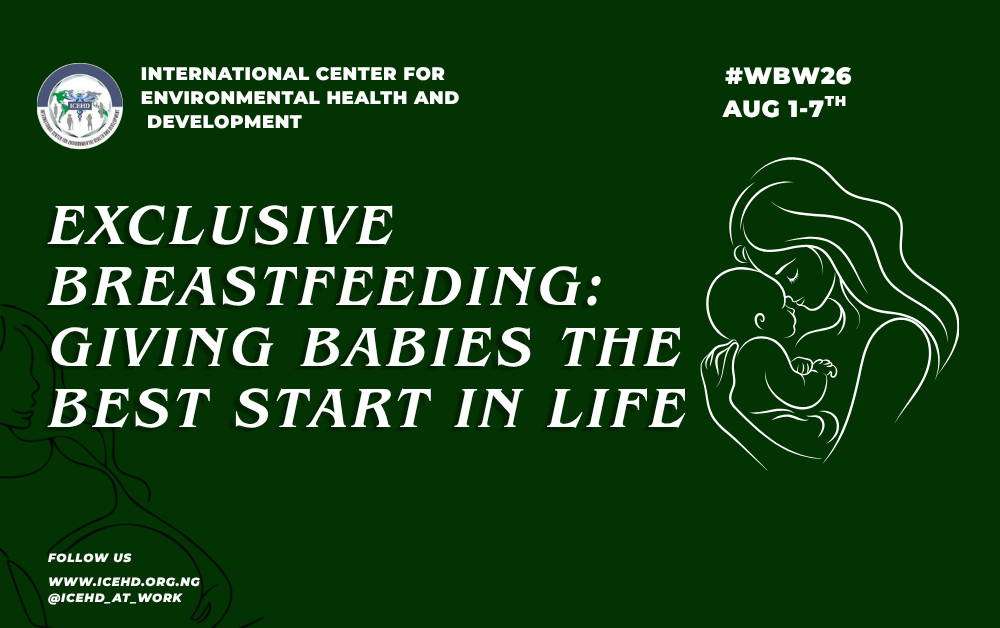
Every year from August 1–7, the world observes World Breastfeeding Week to raise awareness about the importance of breastfeeding and to encourage families, communities, healthcare professionals, employers, and governments to support breastfeeding mothers. While breastfeeding is a natural process, it is also one of the most effective public health interventions for improving maternal and child health, reducing childhood illnesses, and giving every child the best possible start in life.
What Is Exclusive Breastfeeding?
Exclusive breastfeeding means feeding a baby only breast milk for the first six months of life. This means no water, infant formula, herbal mixtures, or any other food or drink unless medically prescribed. Breast milk provides all the nutrients, hydration, and immune protection a healthy infant needs during this critical stage of growth and development.
Why Is Exclusive Breastfeeding So Important?
Breast milk is often referred to as a baby's first vaccine because it contains antibodies and other protective factors that help fight infections such as diarrhoea, pneumonia, and ear infections. According to the World Health Organization (WHO) and UNICEF, optimal breastfeeding could prevent hundreds of thousands of child deaths globally every year.
Exclusive breastfeeding also;
Strengthens a baby's immune system.
Supports healthy brain growth and cognitive development.
Reduces the risk of malnutrition.
Promotes healthy physical growth.
Creates a strong emotional bond between mother and baby.
The benefits continue beyond infancy, reducing the risk of obesity, diabetes, and certain chronic diseases later in life.
Benefits for Mothers
Breastfeeding benefits mothers just as much as babies. It helps the uterus return to its normal size after childbirth, reduces postpartum bleeding, lowers the risk of breast and ovarian cancers, and may reduce the risk of type 2 diabetes. It also strengthens the emotional bond between mother and child while supporting the mother's recovery after delivery.
Exclusive Breastfeeding and Public Health
Exclusive breastfeeding is more than a personal choice it is one of the most cost-effective public health interventions for improving child survival. In Nigeria, only 34% of infants under six months are exclusively breastfed, meaning many babies miss out on the life-saving protection breast milk provides. According to the Nigeria Demographic and Health Survey (NDHS) and UNICEF, increasing exclusive breastfeeding rates could significantly reduce childhood illnesses such as diarrhoea and pneumonia, which remain leading causes of death among children under five.
Nigeria also has one of the world's highest under-five mortality burdens, with approximately 107 deaths per 1,000 live births, according to the 2023–2024 NDHS. Evidence shows that optimal breastfeeding reduces infant deaths, lowers healthcare costs, improves cognitive development, and protects mothers against diseases such as breast and ovarian cancer.
Investing in breastfeeding is therefore not only an investment in individual families but also in Nigeria's health system, economy, and future generations. Protecting, promoting, and supporting breastfeeding helps move the country closer to achieving the Sustainable Development Goals, particularly those relating to child survival, maternal health, nutrition, and reduced inequalities.
Common Myths About Breastfeeding
Many mothers stop breastfeeding early because of misinformation.
Myth: Babies need water before six months.
Fact: Breast milk contains enough water to keep healthy babies hydrated, even in hot climates.
Myth: Formula is just as good as breast milk.
Fact: Formula can provide nutrition when needed, but it does not contain the living antibodies and immune-protective components found in breast milk.
Myth: Small breasts produce less milk.
Fact: Breast size does not determine milk production.
Supporting Breastfeeding Mothers
Successful breastfeeding requires support. Fathers, family members, employers, healthcare providers, communities, and policymakers all play important roles in helping mothers breastfeed successfully. Providing maternity leave, breastfeeding-friendly workplaces, access to skilled healthcare workers, and accurate health information can make a significant difference in improving breastfeeding practices.
A Healthy Start for Every Child
Every child deserves the best possible start in life, and every mother deserves the support needed to provide it. As we prepare to commemorate World Breastfeeding Week, let us remember that promoting exclusive breastfeeding is one of the simplest, most effective investments we can make in the health of future generations.
By protecting, promoting, and supporting exclusive breastfeeding, we are not only nourishing babies we are building healthier families, healthier communities, and a healthier future for all.