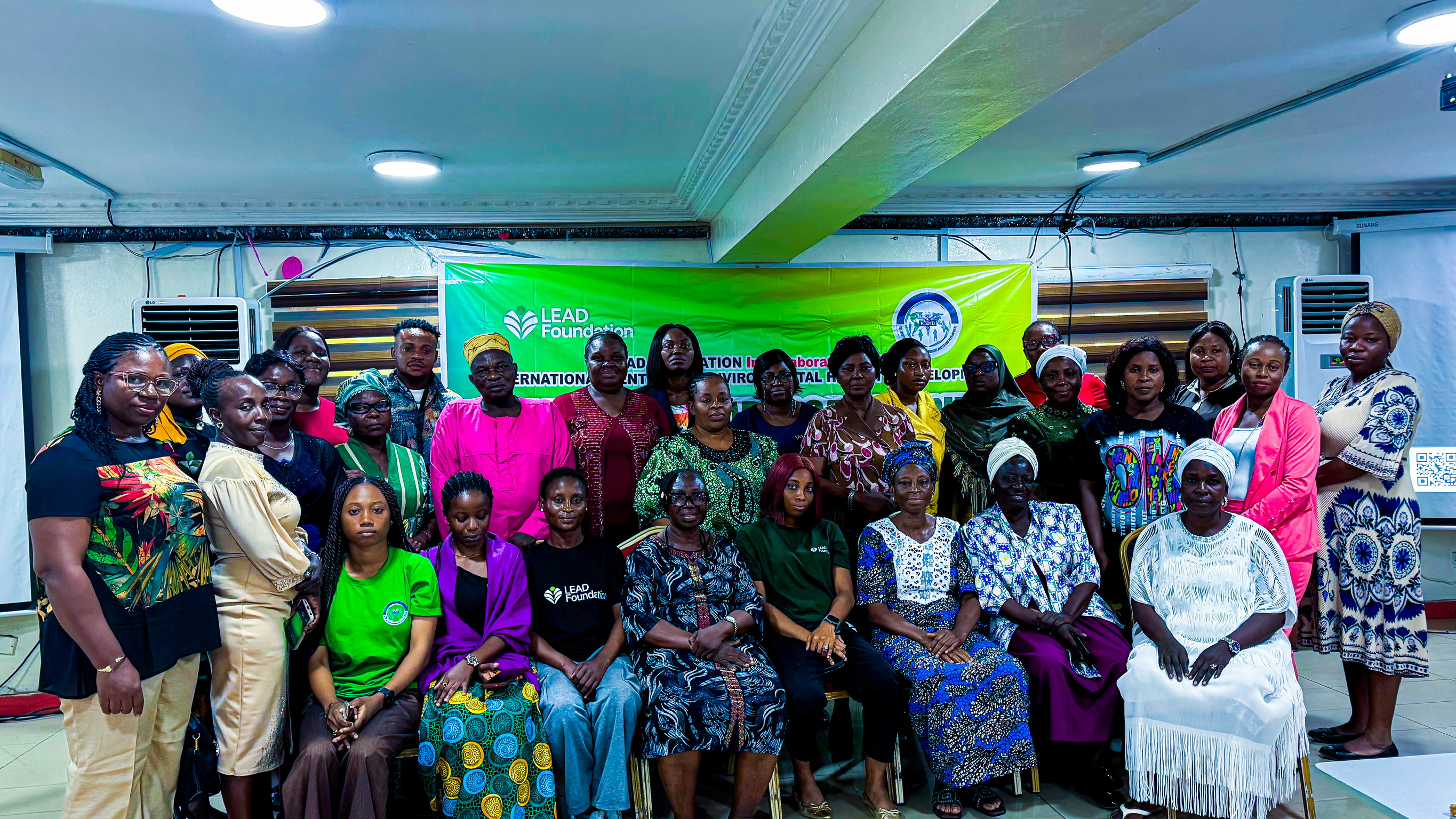
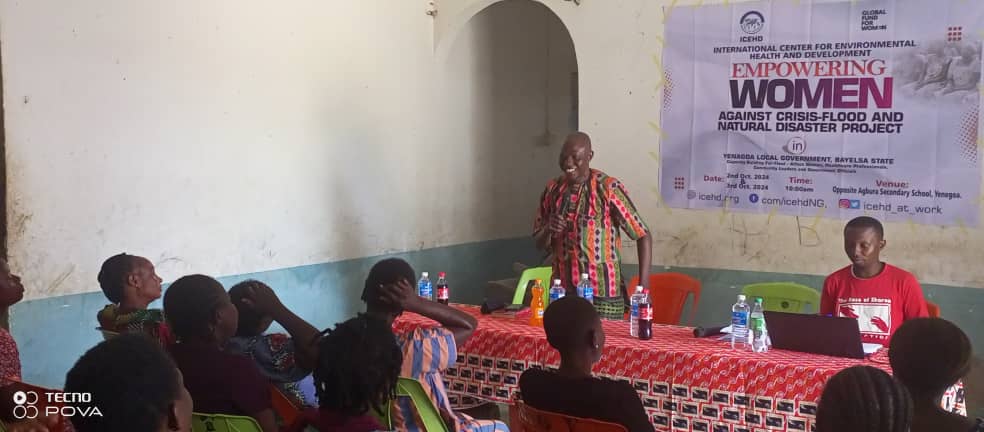
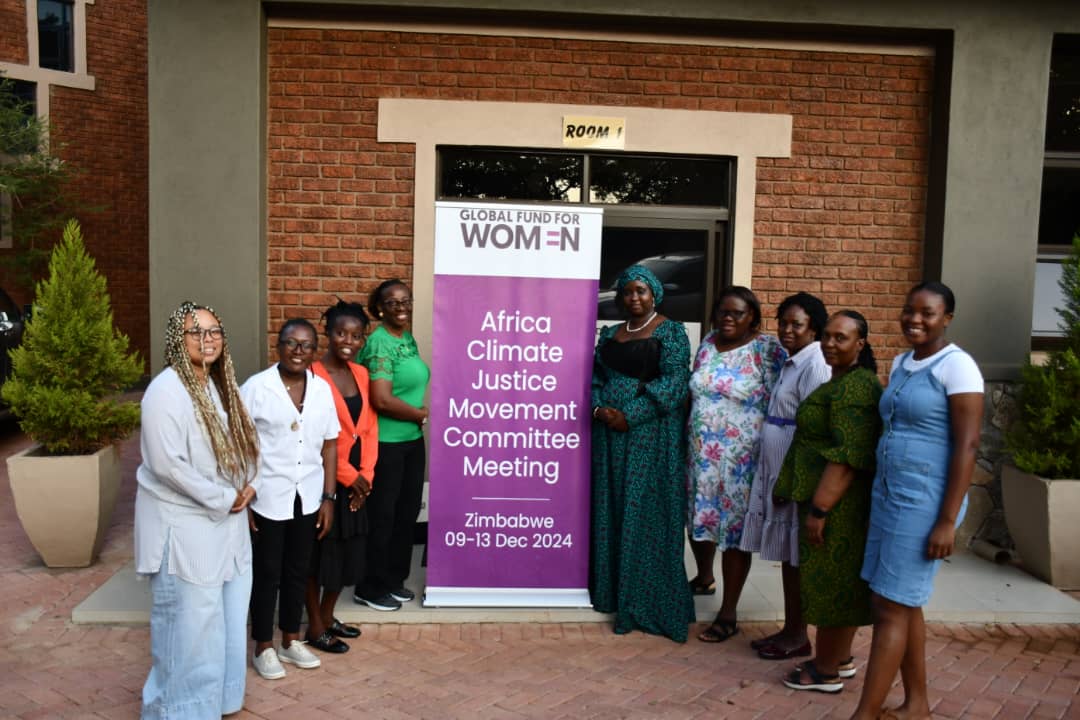
On Thursday, 29 October 2026, the International Centre for Environmental Health and Development (ICEHD), in collaboration with LEAD Foundation, convened the Birth Justice Advocacy Forum at the LCCI Conference Centre, Ikeja, Lagos State, bringing together 58 stakeholders across government institutions, civil society organisations, healthcare professionals, public health experts, community health practitioners, traditional birth attendants and community leaders.
Themed “Strengthening Maternal & Newborn Health Through Advocacy, Policy & Practice,” the forum created an important platform for dialogue, knowledge exchange and collective action towards improving maternal and newborn health outcomes.
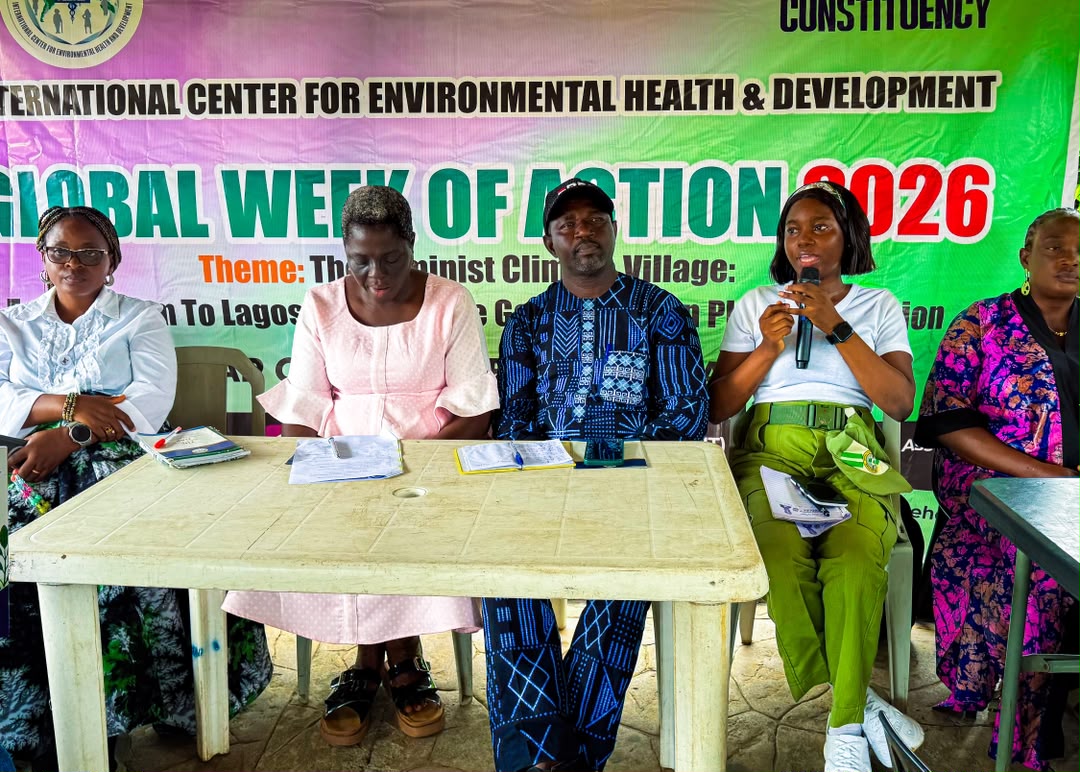
Through expert presentations, panel discussions, participatory dialogue and breakout sessions, participants examined the realities affecting maternal and newborn healthcare, including policy implementation gaps, inadequate funding, workforce shortages, climate change, environmental challenges, disability inclusion and access to respectful maternity care.
A key highlight was the recognition that having policies is not enough; meaningful implementation, accountability, adequate resources and sustained collaboration are essential to achieving real change. Discussions also explored how flooding, extreme heat and transportation barriers disproportionately affect women in riverine and underserved communities, often delaying access to essential maternal healthcare.
Participants further emphasized the importance of dignified, respectful and woman-centred maternity care, stronger referral systems, trained and adequately supported healthcare workers, and meaningful engagement with community birth practitioners to improve maternal and newborn health outcomes.
The breakout sessions generated practical recommendations, including strengthening primary healthcare infrastructure, promoting climate-resilient and solar-powered healthcare facilities, improving emergency transportation and referral mechanisms, advancing disability-inclusive maternal healthcare, promoting Kangaroo Mother Care, advocating for improved maternity leave provisions and sustaining collaboration between government and civil society.
Beyond the conversations, the forum reinforced a shared commitment to translating advocacy into action, strengthening institutional partnerships and ensuring that maternal and newborn health remains a priority in policy, practice and community engagement.
At ICEHD, we believe that every woman deserves safe, respectful, accessible and equitable maternity care, and every newborn deserves the opportunity to survive and thrive. Birth justice must not be determined by a woman's location, socioeconomic circumstances or disability.
We extend our sincere appreciation to LEAD Foundation, all facilitators, panelists, participating institutions and stakeholders whose contributions made this engagement meaningful.
Together, we continue to advance a future where every birth is safer, every woman is respected, and every newborn has a fair chance at life.