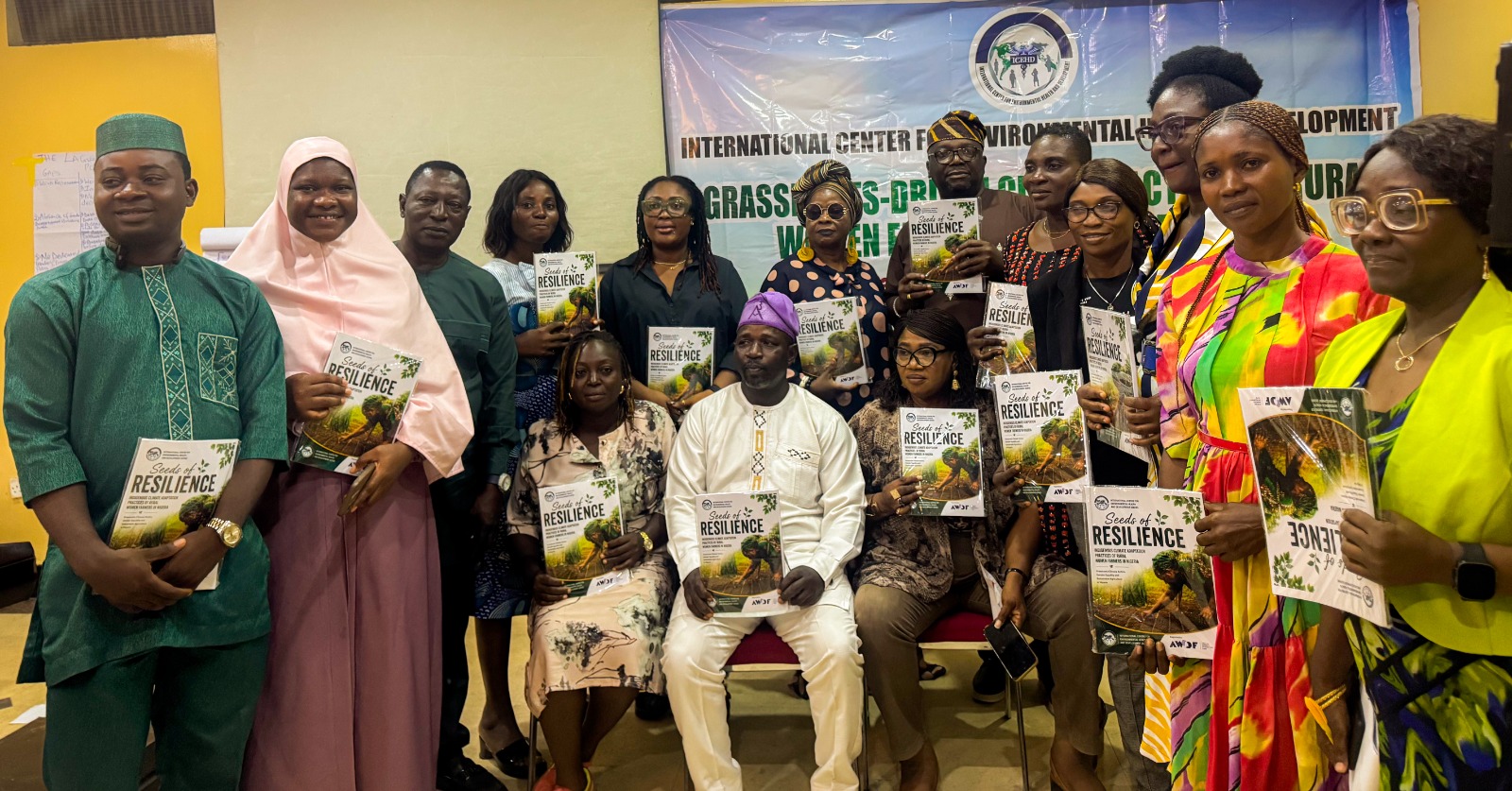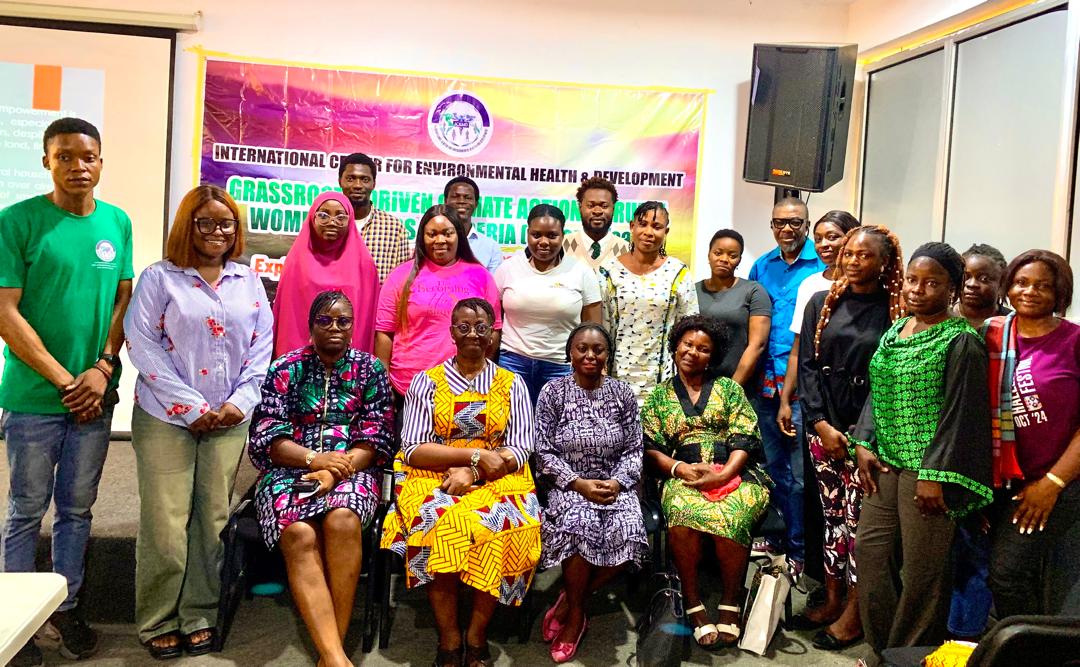
ICEHD convened the CSOs/NGOs Climate Finance Workshop under the theme: Exploring
Financial Resourcing for Women Farmers in Nigeria, on the 4th December 2025 to
address restrictive access to financial instruments, examine practical pathways for climate
financing for women farmers, and unlock climate adaptation funding. The workshop which
had 52 key stakeholders across civil society, Non-Governmental Organizations and
government actors, was convened under ICEHD’s project titled: Grassroots-Driven Climate
Action by Rural Women Farmers in Nigeria.
The workshop was a strategic gathering designed to evaluate climate financing barriers for
rural women farmers, identify accessible financing instruments and propose actionable
solutions for strengthening resilience and economic empowerment for women across
farming communities. One big question was: How can Nigeria unlock accessible and
gender-responsive climate finance for rural women farmers?
Upon project overview on strengthening women’s climate resilience and goodwill messages
from Lagos State Ministries of Women Affairs and Poverty Alleviation, the Lagos State Ministry of Agriculture and Food Sytem, and the Ministry of
Environment and Water Resources, a keynote address was delivered by Mr. Bankole M.O,
the Head of Climate Change and Environmental Planning dept on state-level climate
priorities. This was followed by a presentation of findings from ICEHD’s direct engagement
with women farmers, stressing climate-related vulnerabilities of women farmers. The
presentation took a deep dive into:
The workshop brainstorming discussions highlighted and examined real challenges and
barriers experienced by women farmers including climate shocks, drought-induced herder
intrusion and conflicts, financial exclusion, poor patronage and market access, declining
yield and shrinking profits, food insecurity, climate-related production losses, lack of
documentation and the hidden toll of GBV on their livelihoods and well-being.
Stakeholders explored:
The role of CSOs and technical enablers in strengthening documentation, consortium
building and proposal development was emphasized. Participants expressed a sense of
commitment to solving the real challenges faced by women farmers. Thematic Priorities
include climate finance access, policy reform, gender-responsive investment, adoption of
climate-smart agriculture, policy advocacy and governance engagement.
Financing Mechanisms Discussed and Multi-Sector Opportunities
The Global Environmental Facility (GEF) small grants, Adaptation Fund, concessional
lending windows from banks such as Access Bank, FCMB and BOI, insurance-backed risk
pooling and blended finance models were highlighted. Also, agriculture, finance, civil
society, government and insurance sectors hold potential for collaboration to scale climate
financing and improve women farmers’ climate resilience.
Major Gaps Identified and Essential Steps
Land ownership restrictions, low documentation literacy, fundraising limitations and limited
understanding of climate finance mechanisms remain major barriers. Essential steps
include strengthening documentation literacy, improving access to land paperwork,
supporting business registration, and enabling collaboration among CSOs were identified as
essential steps.
Actionable Recommendations
Conclusion
The workshop provided clarity on climate financing pathways for women farmers and
reinforced the importance of advocacy, collaboration and financial literacy. Scaling climate
finance for women-led agriculture remains critical for climate resilience and food systems
development in Nigeria. The workshop further reaffirmed that true climate resilience must
be community-driven, gender-responsive, and financially inclusive. And, unlocking climate
finance for women farmers isn’t charity, it's a strategic investment in Nigeria’s food systems
and climate future.
ICEHD appreciates every organization that attended, shared, questioned, and shaped
solutions with us. As the work continues, and ICEHD remains committed to amplifying
women’s leadership, expanding access to climate finance, and strengthening grassroots
climate action across Nigeria.
#ICEHD #ClimateFinance #WomenFarmers #NigeriaAgriculture #ClimateActionNG
#GenderAndClimate #WomenInAgriculture #CSOs #NGOs #ResilienceBuilding
#GrassrootsVoices