Women’s land rights remain one of the most critical yet overlooked issues in achieving food security, climate resilience, and sustainable development globally. Women constitute a significant proportion of smallholder and rural farmers, producing a large share of the food consumed by households and communities.
However, due to discriminatory cultural norms, inheritance practices, and structural barriers, many women do not own or have secure rights to the land they cultivate.
The absence of secure land ownership limits women's ability to expand agricultural production, access credit and finance, invest in long-term climate-smart farming practices, improve soil health, adopt sustainable technologies, and make independent decisions about land use. It also undermines food security and weakens the resilience of farming communities to climate change.
Securing women's land rights is therefore not only a gender equality issue; it is a climate action, food systems, economic empowerment, and sustainable development imperative.
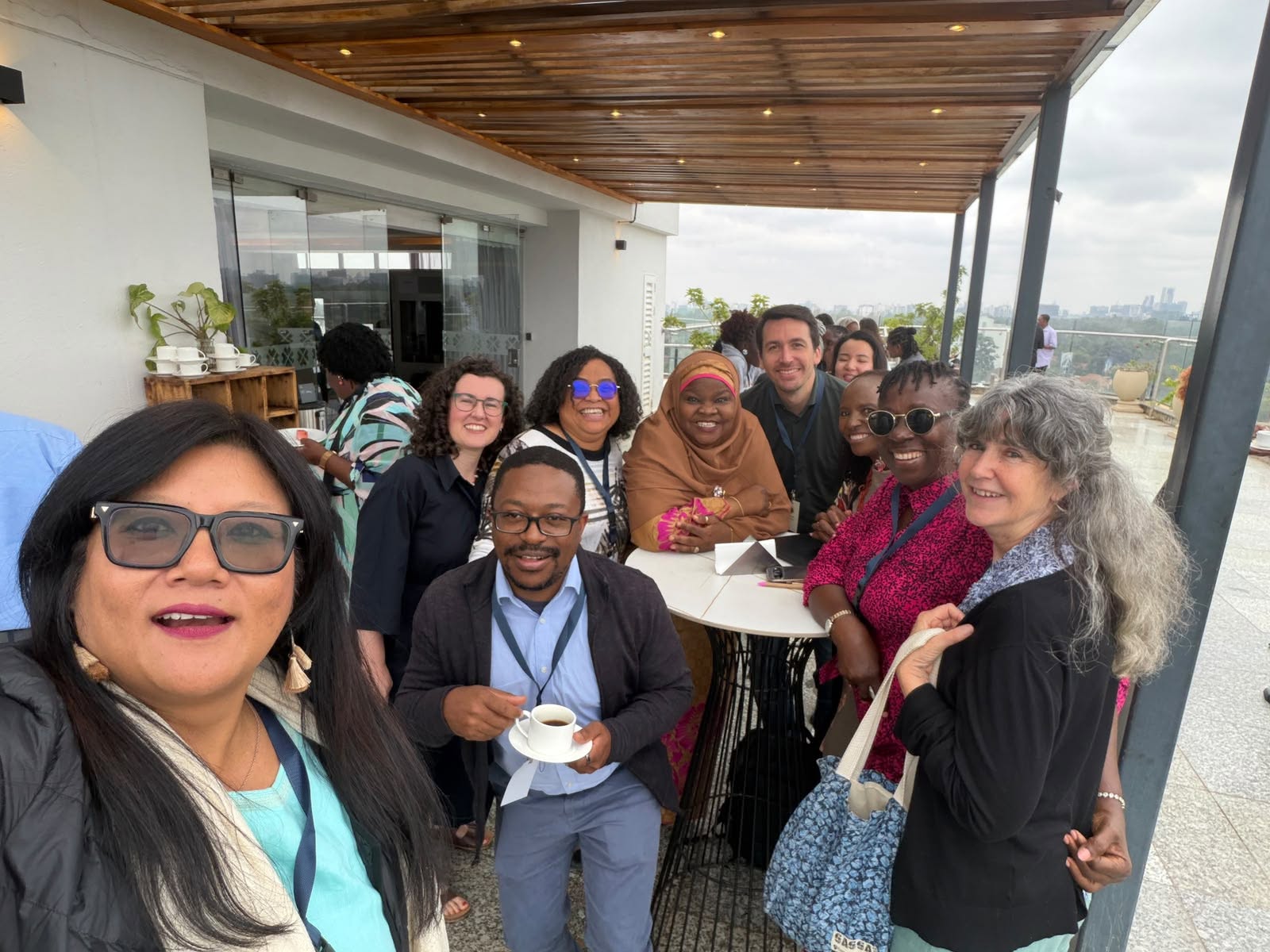
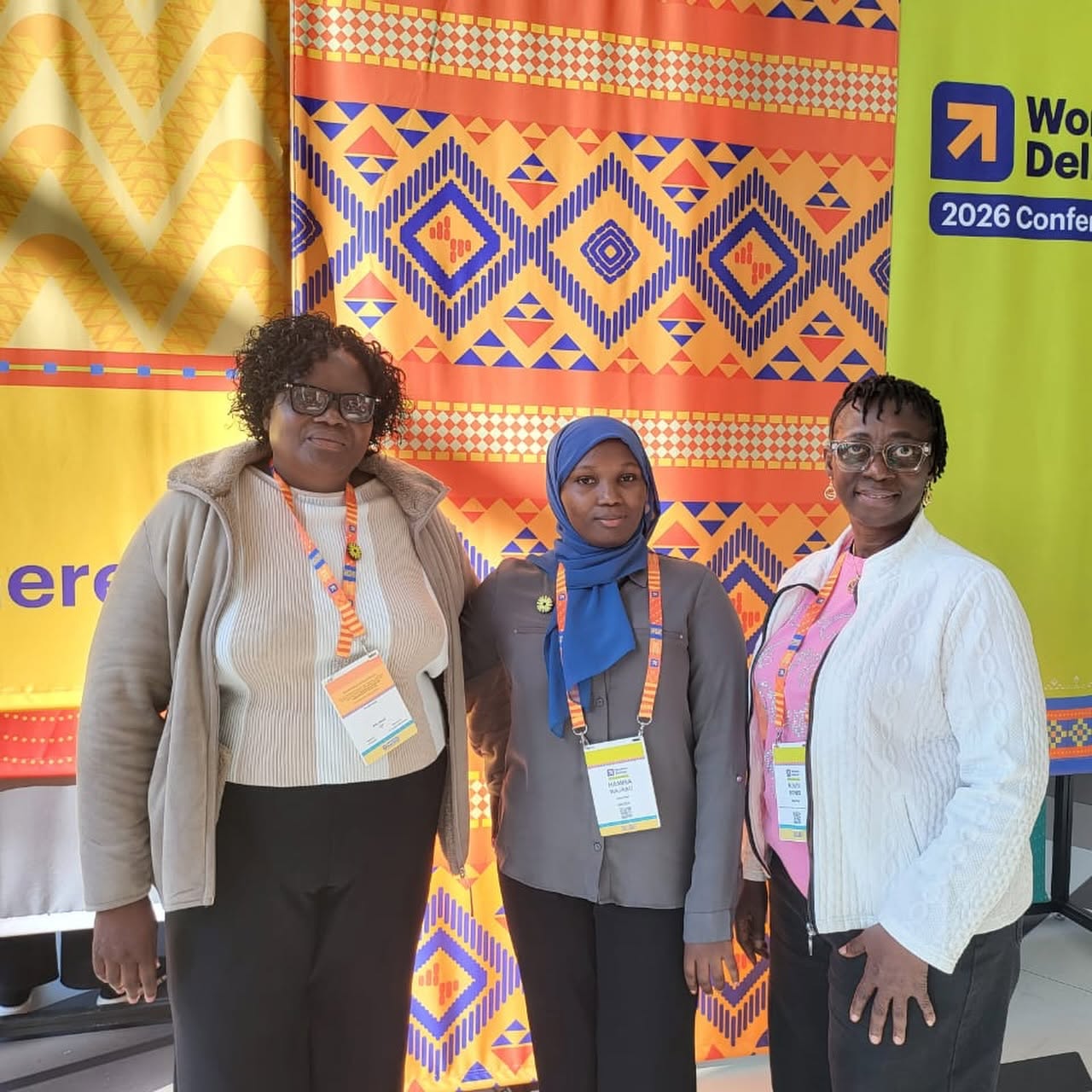
The Women’s Land Rights Initiative (WLRI) held a convening in Nairobi, Kenya, from June 29th–July 2nd, 2026.
The gathering brought together partners advancing women’s land rights across the three UN Rio Conventions at the intersection of land, gender, and climate, to facilitate dialogue and collaboration between grassroots organisations, National (Gender) Focal Points, donors, and UN and international CSOs.
Together, the team worked to anchor women’s land rights firmly in the three UN Rio Conventions, biodiversity (CBD), desertification (UNCCD), and climate change (UNFCCC).
With reflections on how grassroots organizations and CSOs can put women’s land rights at the heart of upcoming planning and reporting on national environmental action plans under the three Rio Conventions, the meeting fostered collaboration and coordinated action to shape and implement the national and global Rio agenda.
Utilising its three action tracks, the global, national, and finance action tracks, participants collectively anchored women’s land rights across the global Gender Action Plans and negotiation processes, integrating women's land rights into national planning, national Gender Action Plans, monitoring and reporting, strengthening access to finance and inclusion in climate and environmental finance.